

Flight Log: October Aviation News
Each month, Flight Log captures the biggest stories shaping the aviation industry. From landmark deals and fleet updates to policy changes and innovative trends, here is your snapshot of the developments you need to know.
SAF spotlight
In early October, South Korea announced a mandatory use of blended sustainable aviation fuel (SAF) for all international flights departing its airports, starting in 2027. The mandate begins at a 1% blend, rising to 10% by 2035, with blending ratios tied to the available SAF supply relative to international jet fuel demand.
The policy is part of the government’s Sustainable Aviation Fuel Blending Mandate Roadmap and includes incentives to encourage adoption, such as extra points in the route allocation system for airlines exceeding their SAF quotas.
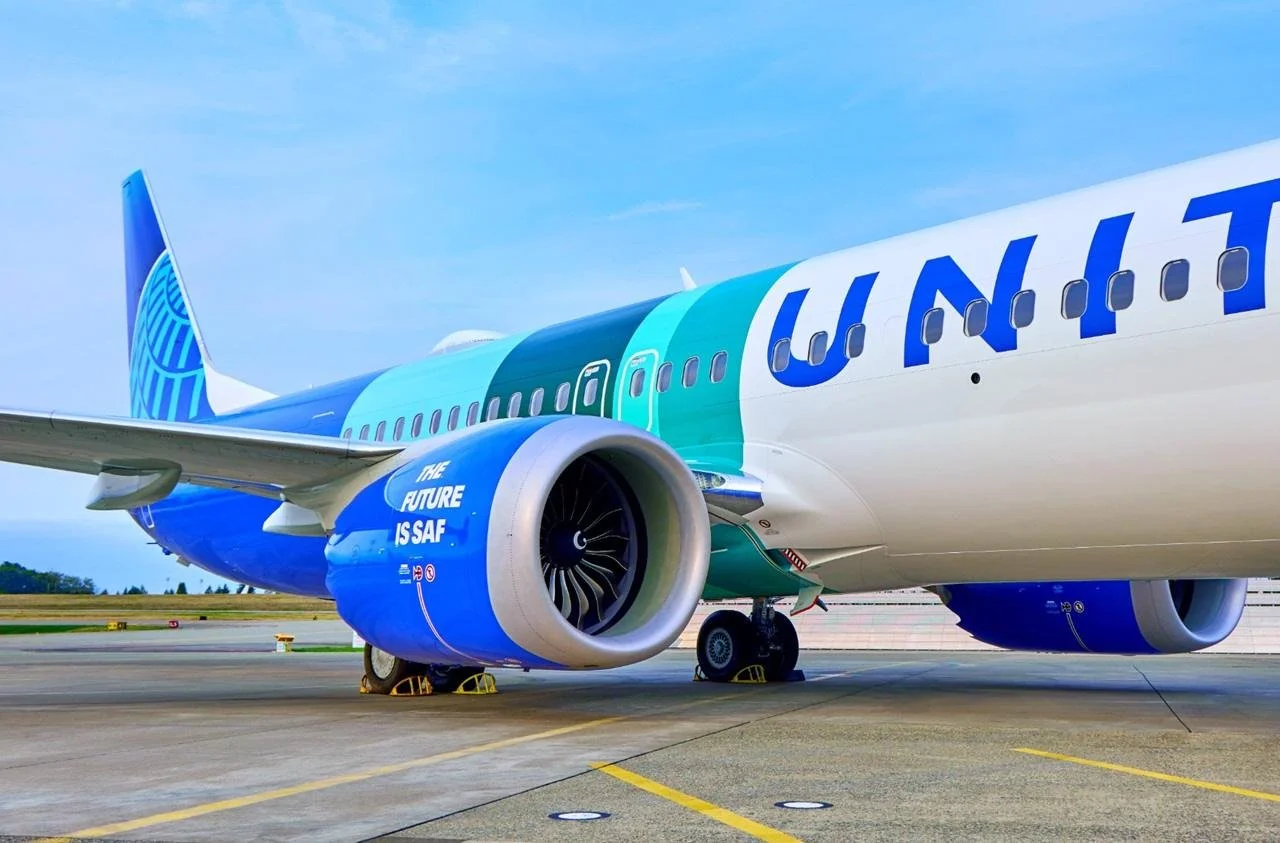
Separately, renewables fuel manufacturer, Neste extended its partnership with United Airlines to bring SAF to a further three major US airports, George Bush Intercontinental Airport (IAH) in Houston, Newark Liberty International Airport (EWR) in New Jersey, and Dulles International Airport (IAD) in Washington D.C. United is now the first commercial airline to purchase SAF for use on flights from these airports.
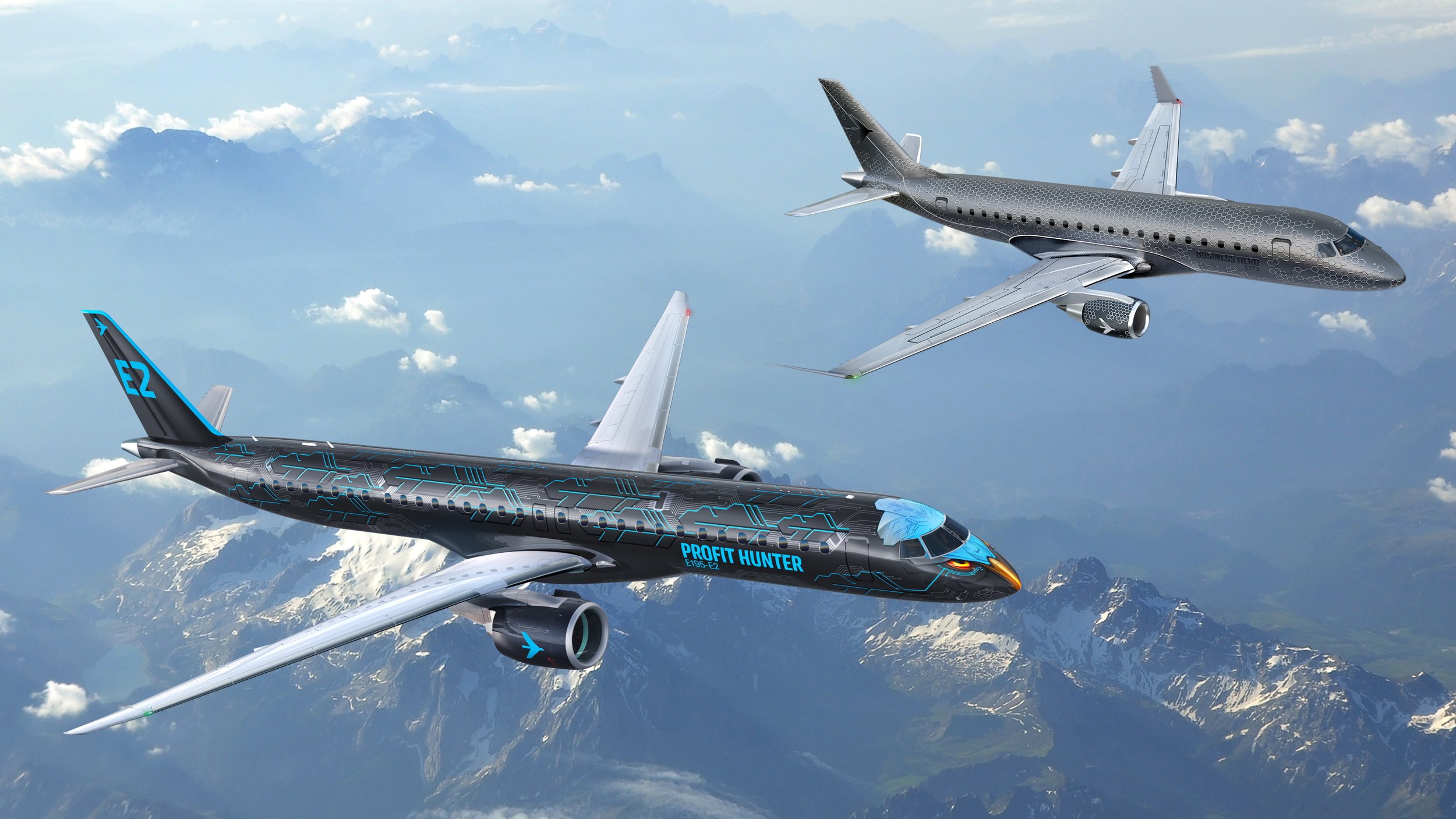
TrueNoord signs milestone deal with Embraer for 20 E195-E2 aircraft
Regional aircraft lessor, TrueNoord inked a deal with Brazilian aircraft manufacturer, Embraer, for 20 new E195-E2 aircraft, with the option to purchase a further 30 aircraft (20x E195-E2s and 10x E175-E1s).
This is TrueNoord’s first ever direct order with an OEM and is valued at $1.8 billion (firm orders only). With a current fleet size of just over 100 jets, this deal signifies a serious scale up for TrueNoord with brand new, more modern, fuel-efficient aircraft.
‘Fighting Spirit’
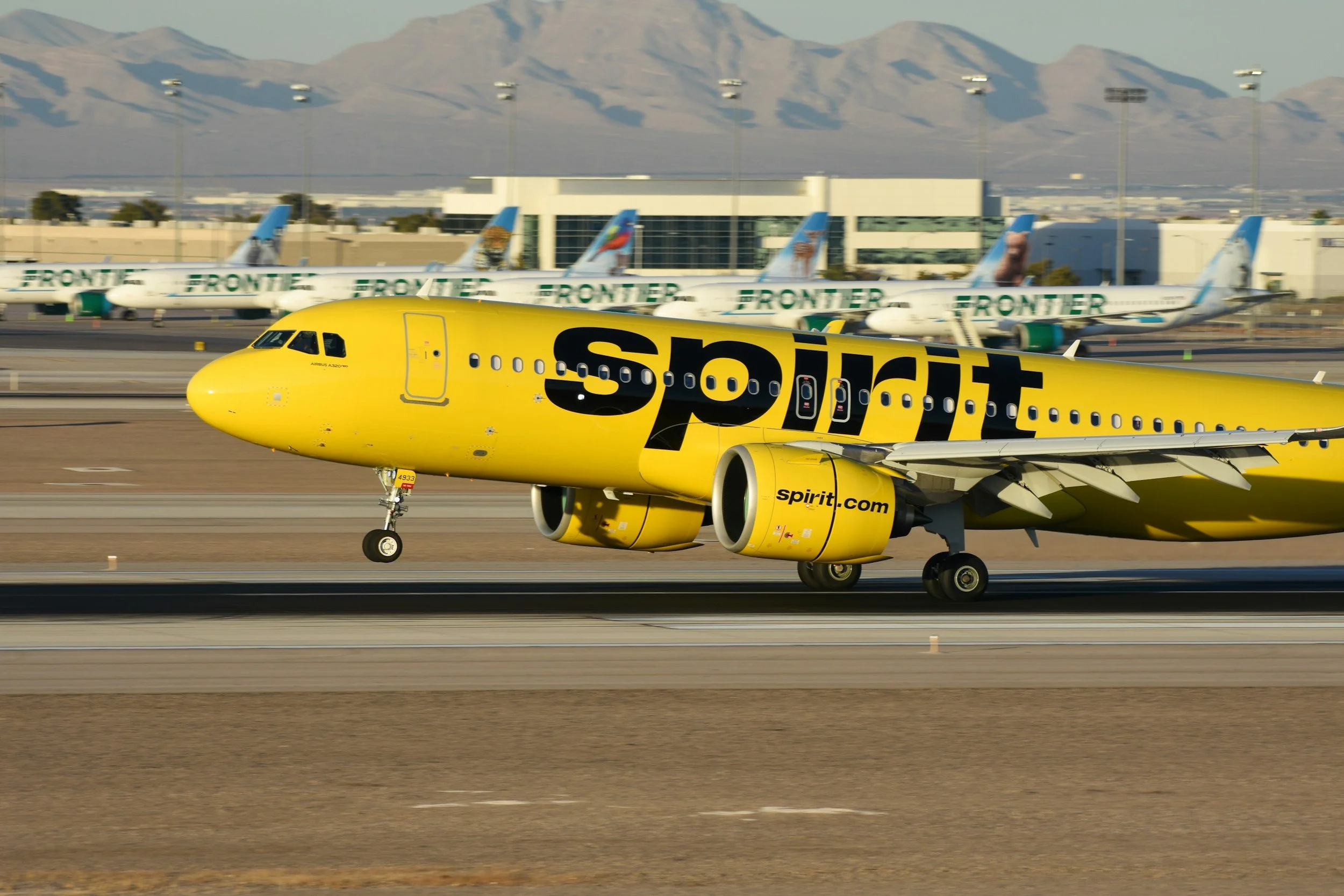
It was a busy start to the month for Spirit Airlines. Having filed its second Chapter 11 bankruptcy in less than a year in August, the airline triggered one of the largest lease rejections in aviation history when it filed a public motion to reject 87 aircraft leases in early October.
The ultra-low-cost carrier (ULCC) currently operates a fleet of 214 aircraft, and the U.S. Bankruptcy Court later approved its request to reject leases covering 67 aircraft, a mix of A320ceo and A320neo models.
Spirit had been under immense financial stress due to low demand, rising costs, the introduction of low-fare seats by legacy carriers, and capacity constraints related to Pratt & Whitney GTF engine issues, which grounded part of its fleet.
Several lessors were named in the filings, including SMBC Aviation Capital, Avolon, Aircastle, Aviation Capital Group, and AerCap.
In August, AerCap issued default and termination notices relating to 37 existing leases and 36 future Airbus A320neo-family aircraft deliveries scheduled for 2027–2028. A settlement agreement was reached in mid-October, under which Spirit agreed to cancel its commitment to purchase 52 Airbus aircraft and reject 27 leases with AerCap, in exchange for a $150 million cash injection from the Dublin-based lessor.
For lessors, the ramifications of this case are considerable, with serious remarketing headaches and storage challenges as a result, not to mention residual value risks. Spirit’s actions may also set a precedent: with an already fragile ULCC market, lessors may find themselves on the hook for further lease rejections as airlines pursue fleet reductions and consolidation to survive.
So what awaits us in November? Guaranteed there will never be a dull moment.
