

Flight Log: September Aviation News
Each month, Flight Log captures the biggest stories shaping the aviation industry. From landmark deals and fleet updates to policy changes and innovative trends, here is your snapshot of the developments you need to know.
ALC acquired by SMBC for ~$7.4 billion - creating a new super lessor
We kicked off the month with a reminder of the ever-shifting, fast-paced nature of the aircraft leasing industry with the announcement that Air Lease Corporation (ALC) is to be acquired by a consortium of Sumitomo Corporation, SMBC Aviation Capital, Apollo and Brookfield.
While it doesn’t hit the scale of GECAS’ sale to AerCap for $31 billion on headline price, the $28.2 billion figure (once debt is included) certainly gets you in the same playground.
Upon close, which is expected in the first half of 2026, ALC will become Sumisho Air Lease. SMBC Aviation Capital will manage ALC’s portfolio and acquire its forward orderbook.
Together, the combined fleet is expected to push the new entity into the upper ranks of global lessors — with some media putting the scale at ~1,300 aircraft (though earlier speculations pushed higher). Either way, SMBC is positioning itself to overtake Avolon and claim the #2 slot by most measures.
So just what will happen to the new shiny offices planned for ALC on Earlsfort Terrace?
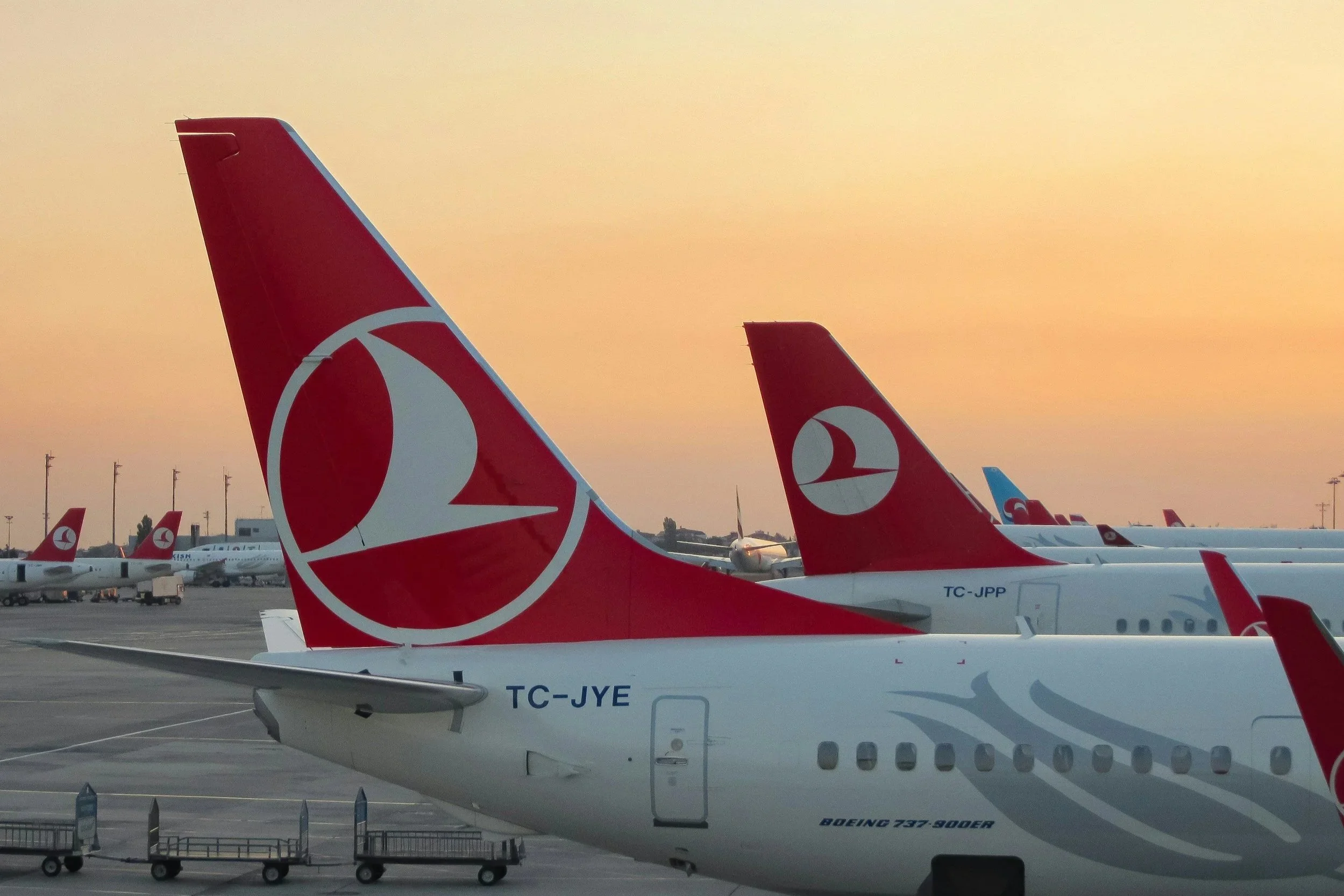
Turkish Airlines signs 225-aircraft order with Boeing
Later in the month, Turkish Airlines announced it signed a mega deal with Boeing for 75 Dreamliners (50 firm and 25 options across the 787-9 and 787-10) for delivery between 2029 and 2034.
On top of that, it also announced that it had completed negotiations to buy 150 737 MAX aircraft, consisting of 100 firm and 50 option orders for a mix of B737-8 and B737-10 aircraft.
The order was first touted at the Paris Air Show in June 2024, so while this isn’t exactly new news, it’s been a long time in the making.

Wow, PLAY Airlines ceases operations with immediate effect
September closed on a much gloomier note with the news that Icelandic low-cost carrier, PLAY Airlines was ceasing operations with immediate effect, grounding all flights, leaving thousands of passengers stranded, and over 400 staff facing unemployment.
The airline lasted just four years but had been struggling with poor financial results and weak ticket sales.
Last year, the company undertook a change in direction, revising its strategy to roll back on its transatlantic ambitions, ending all of its US routes in June of this year. This strategic shift caused a degree of discontent among some of its employees.
It was a case of history repeating itself as PLAY followed a sadly familiar path, meeting the same fate as fellow Icelandic operators WOW Air and Primera. At the time of collapse, the carrier had a fleet of 10 A320neo and A321neo aircraft, six of which were on wet lease.
September was a stark reminder of the highs and lows of the aviation industry: large scale M&A activity in the leasing market, a record-setting fleet order in Turkey, and yet another failed Icelandic low-cost venture. What will October bring?
